
SWOT — Strategic & Operational
We use SWOT as a due‑diligence tool, not a workshop exercise. Most consultants treat SWOT as a four‑quadrant list on a whiteboard; we don’t. We’ve rebuilt the method into something we call SWOT Done Properly — a practical way to understand how an organisation actually performs, and a foundation for real strategic, tactical, and operational improvement.
The four quadrants are just the beginning. We use that analysis to design strategies, shape tactics, and drive operational changes that strengthen what works, fix what doesn’t, leverage openings, and mitigate pressures. It’s the Formula One version of SWOT. The group‑think crowd are still driving the Corolla.
Operations & Systems
Our operational due diligence is hands‑on. We identify the processes that control the inputs and outputs behind the core product and service offering, and we build a detailed understanding of the software, documentation and mechanical controls that govern those processes across corporate, factory and administrative functions. From there, we identify the gaps between how the system should run and how it actually runs — the difference between the documented process and the lived process.
Australia
This work is central to our Australian ISO 9001 clients, where ongoing internal audits, on‑floor observation, engineering collaboration, warehouse controls and WMS‑level systems form the backbone of continuous improvement after certification.
Offshore to Australian Companies
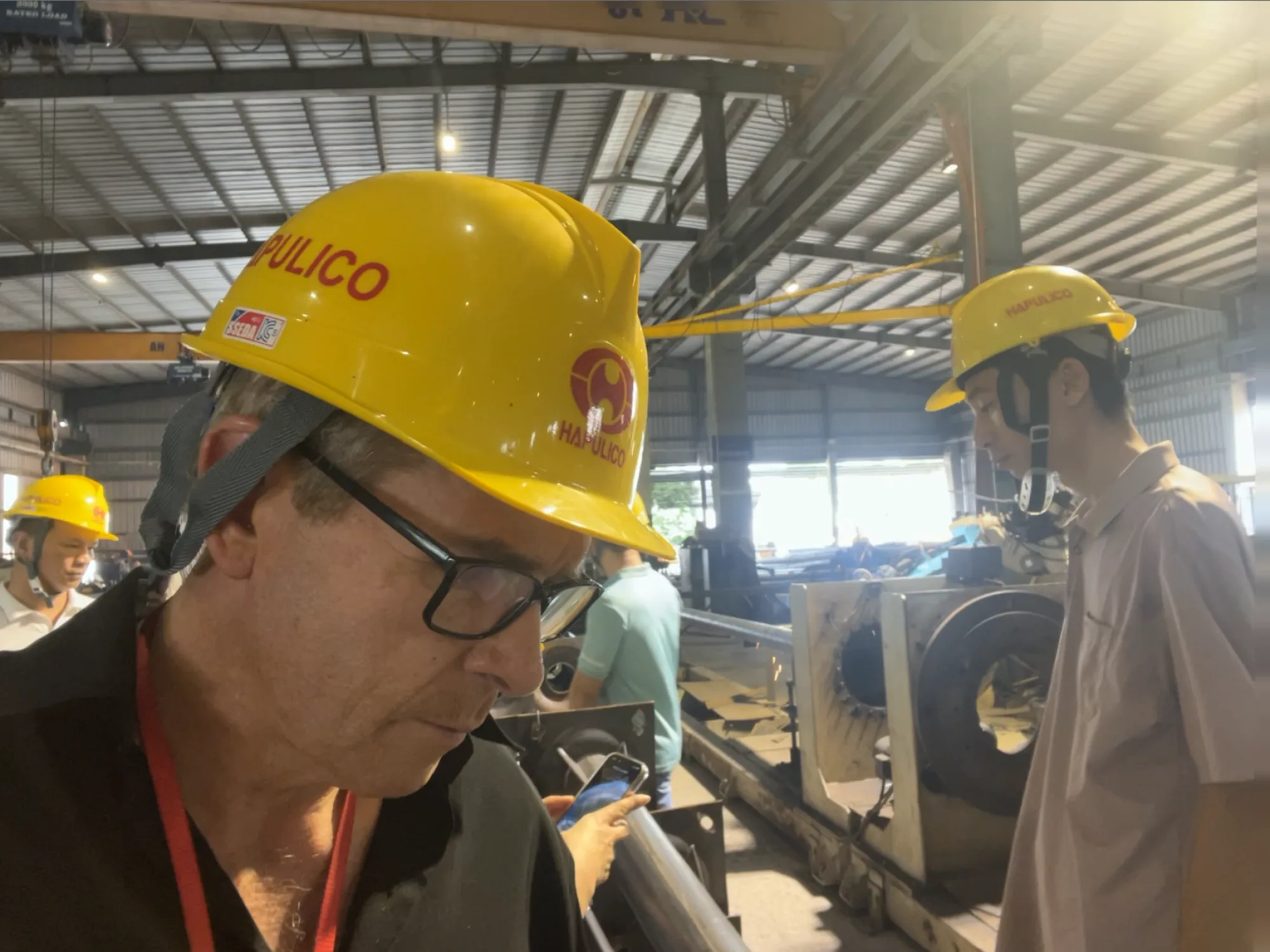
For offshore environments, we maintain a dedicated entry‑level capability for in‑country, process‑specific due diligence and initial continuous‑improvement response. This provides rapid visibility and first‑stage stabilisation inside foreign suppliers, parent companies, contract manufacturers and potential joint‑venture partners. It is delivered through ICQ‑DueDiligence.com and supported by a network of more than six hundred field‑level personnel across Asia.
Commercial
We assess the financial and commercial structure of the organisation through a three‑part lens. First, we build the forward view — cashflow, capital requirements, and best‑to‑worst‑case feasibility. Second, we assess the macro settings: debt and equity structure, risk position, and whether the venture is commercially viable. Third, we examine the detailed commercial machinery — supplier agreements, FX exposure, cost‑recovery terms, jurisdiction‑relevant contracts, and the operational commitments that make a structure work in the real world.
Clients draw on different parts of this model. Some need a single agreement corrected so it reflects the right jurisdiction. Others need the full venture pathway — from forecasting and capital structure through to cross‑border negotiation, government licensing, and the commercial terms that take a project from thought‑bubble to first invoice.
Evahan brings cross‑domain capability strong enough to see how the moving parts fit together, and disciplined enough to bring in specialists when required.